

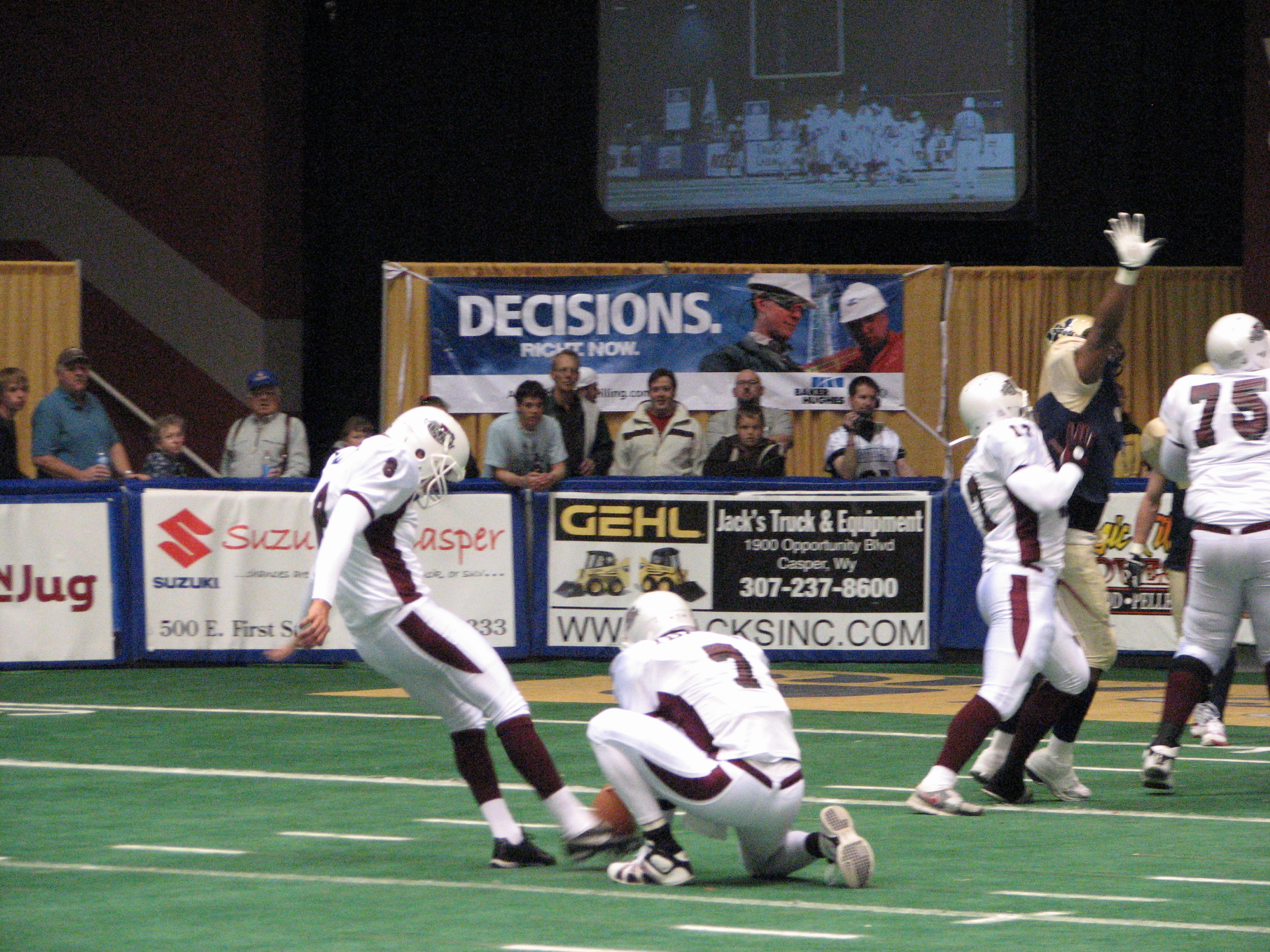
As a professional kicking coach, I’ve had the privilege of working with specialists at every level, from aspiring youth players to NFL veterans. While individual talent is undeniably crucial, there’s one aspect of the kicking game that often goes unsung but is absolutely fundamental to success: the “kicking unit.” This refers to the seamless, often lightning-fast, collaboration between the long snapper, the holder, and the kicker. For any football kicker, understanding and perfecting this intricate dance is the key to consistent field goals and extra points.
You might have the strongest leg in the league, but without a precise snap and a perfectly placed hold, that power is meaningless. Think of it like a finely tuned machine: each component must work in perfect synchronization for the desired outcome. A fraction of a second off on the snap, a slight tilt in the hold, or a miscommunication can turn a routine kick into a costly miss.
The Roles in the Unit:
- The Long Snapper: The unsung hero. Their job is to deliver a perfectly spiraled ball, laces out, to the holder, consistently, regardless of weather, pressure, or field conditions. Speed and accuracy are paramount.
- The Holder: The orchestrator. They must receive the snap cleanly, spin the ball for the laces, and place it precisely for the kicker, all while keeping their eyes on the target and communicating subtly with the kicker. Their calm under pressure is vital.
- The Kicker: The finisher. Their focus is solely on their approach, contact, and follow-through, trusting implicitly that the snap and hold will be perfect.
Why Synchronization is Crucial: The “Rhythm”
The entire operation, from snap to kick, typically takes around 1.2 to 1.3 seconds at the professional level. This incredibly tight window demands a rhythm that can only be built through countless repetitions and deep understanding between the three players.
- Timing: The kicker’s approach steps are timed precisely with the snap and the holder’s placement. Any deviation can throw off the entire motion.
- Laces Out: The holder’s ability to quickly spin the ball so the laces face away from the kicker is critical for clean contact.
- Ball Placement: The holder must place the ball at the exact spot and angle the kicker prefers, ensuring consistent contact. Some kickers like the the ball tilt forward and angled away from them. This is not easy to perform a “perfect” hold in a split second.
Drills to Improve Kicking Unit Chemistry:
Building this chemistry goes beyond individual practice. It requires dedicated time working together:
- “Slow Motion” Walk-Throughs: Start without kicking. The snapper snaps, the holder receives and places, and the kicker walks through their steps. Focus on verbalizing each action and ensuring everyone is on the same page. Gradually increase speed.
- Repetition, Repetition, Repetition (Full Speed): Once the mechanics are understood, drill hundreds of full-speed snaps, holds, and kicks. This builds muscle memory and trust.
- “Eyes Closed” Snaps/Holds: The holder practices receiving snaps without looking, relying on sound and feel. The kicker practices their approach, trusting the ball will be there. This builds blind trust, essential in chaotic game environments.
- Pressure Drills: Simulate high-stakes game situations, incorporating elements like crowd noise, a ticking clock, coach distractions, or defensive pressure. Repeatedly practice game-winning scenarios to build mental fortitude.
- “Bad Snap” Drills: The snapper intentionally throws slightly off-target snaps (high, low, wide), forcing the holder to adapt and still get a good hold. This builds resilience and adaptability.
Communication Tips:
While much of the communication is non-verbal (trust, rhythm), some key verbal cues are important:
- Kicker to Holder: A simple nod or hand signal to confirm readiness.
- Holder to Kicker: Often, the holder will have a subtle signal or verbal cue (e.g., “Ready!”) once the ball is placed and laces are set.
- Post-Kick Feedback: After each repetition, the unit should quickly huddle to discuss what went well and what needs adjustment. “Snap was a little low,” “Hold was perfect,” “Laces were out.” This immediate feedback loop is invaluable.
A strong kicking unit isn’t just about individual skill; it’s about a collective mindset of trust, precision, and relentless practice. When these three specialists operate as one cohesive unit, they become an unstoppable force, capable of delivering points when their team needs them most. At The Kicking System, we emphasize this crucial synergy, knowing that a well-oiled unit is the ultimate weapon in the kicking game.
About the Author:
John Matich, MA, Owner, The Kicking System, LLC
John Matich, a distinguished former collegiate and professional kicker, leads The Kicking System with over 16 years of coaching expertise. As a former U17 and U20 USA Youth National Soccer Team member and Boston College’s 3rd All-Time Scoring Leader, John brings firsthand experience from the highest levels of competitive sport. He holds an MA in Sports Management from the University of San Francisco and has provided extensive coaching to NFL kickers, college athletes, high school athletes, and beginners across numerous elite football programs in Southern California. His background includes a stint with the Minnesota Vikings and impactful coaching roles at institutions like San Diego State University and Mira Mesa High School. John’s global perspective was further shaped by an internship at HNK Dinamo in Zagreb, Croatia, providing unique insights into elite youth football development. He is also a former NIFL All-League arena kicker for the San Diego Shockwave.

 Kicking System
Leave a comment