
The Kicker’s NightmareStaying Healthy When Your Job is on the Line
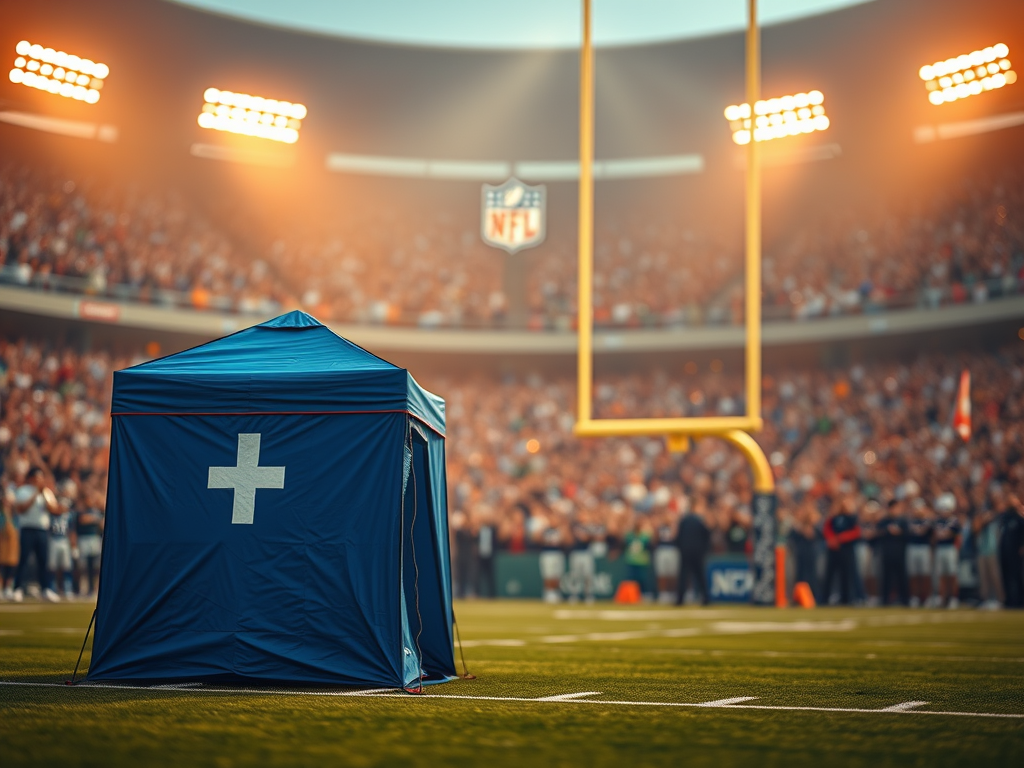
If you’ve been watching the NFL this season, it feels like every other snap ends with a player heading to the blue medical tent. The kicking position, in particular, has been hit hard, with a growing list of specialists sidelined across the league.
Just look at the notable kicker injuries we’ve seen already:
- Spencer Shrader (Colts): Suffered a season-ending knee injury (ACL and MCL) after a collision in Week 5.
- Tyler Bass (Bills): Placed on injured reserve with a left hip/groin injury, requiring him to miss a minimum of four games.
- Jason Sanders (Dolphins): Expected to miss at least a month with a hip injury that has kept him out since the start of the season.
- Cairo Santos (Bears): Experienced a thigh injury that kept him from playing.
- Brandon McManus (Packers): Has been dealing with a quad injury that limited his practice time.
- Graham Gano (Giants): Suffered an undisclosed injury, putting the Giants’ kicking situation in jeopardy.
While injuries are a brutal part of the game for every player, for a specialist like a kicker, getting hurt can be a career-ender. It’s a harsh reality that most fans don’t think about. When a star quarterback gets hurt, the team waits for him. When a kicker gets hurt, the team holds a tryout the next day.
The Specialist’s Dilemma: Why a Kicker’s Job is So Fragile
As a kicking coach, I know this reality all too well. Roster spots are like gold, and no team can afford to carry two kickers. The moment you pull a groin or tweak your hip, the clock starts ticking, and it’s not in your favor.
Just like that, you can go from being the starter to being out of a job, all because your body betrayed you at the wrong time. You become a free agent waiting for someone else’s kicker to get hurt. It’s a brutal cycle.
It’s Happening Right Now: A Perfect Example
This isn’t just a hypothetical. It’s a perfect example of how quickly things can change in the kicking world and how the “next man up” has to be ready at a moment’s notice. Just look at what unfolded this past week.
Moody Steps Up for the Bears in a Clutch Moment
The situation in Chicago became critical last week when their veteran kicker, Cairo Santos, went down with a right thigh injury. With Santos sidelined, the Bears had to act fast and brought in Jake Moody to handle the kicking duties. Stepping in on short notice is tough, but Moody did more than just fill in—he won them the game. In a tight contest this past weekend, he trotted onto the field for a game-winning field goal attempt and drilled it. It was a huge moment for him and a massive relief for the Bears, who were able to steal a victory thanks to their emergency kicker. It just goes to show how a kicker’s fortunes can turn; one man’s unfortunate injury becomes another’s opportunity to be the hero.
Havrisik Fills in for an Injured McManus
A similar situation unfolded with veteran kicker Brandon McManus, who also picked up a quad injury last week. A quad strain is a serious issue for a kicker, immediately impacting power and control, and he was unable to play this past weekend. His team called on Lucas Havrisik to take over. Havrisik stepped in and had a very solid performance in McManus’s absence. He handled all the kicking duties and looked confident and capable, which is exactly what a team needs from a replacement. He did his job well, ensuring there was no drop-off in the kicking game, and now gives the team some stability and peace of mind while they wait for McManus to heal.
The ‘Off the Street’ Mindset: Nerves of Steel
What Jake Moody and Lucas Havrisik did is one of the hardest things to do in sports. One day you’re kicking at a local high school field, staying ready. The next, you’re on a plane to a new city to kick in front of 70,000 people for a team you just met.
The mental strength required is immense. You have to block out everything—the new snapper, the new holder, the playbook, the playoff implications—and fall back on your process. It becomes about making your world as small as possible: just you, the ball, and the target. The kickers who succeed in this role are the ones who can quiet the noise and trust the thousands of kicks they’ve hit before. You have to walk in with the unshakeable belief that you belong there, because any hint of doubt will be exposed under the bright lights.
The Comeback Trail: Winning Your Job Back Mentally
On the other side of the coin is the mental battle for the injured kicker, like Cairo Santos or Brandon McManus. You’re forced to watch someone else do your job, and it’s even harder when they do it well. You’re happy for the team’s success, but you know that every field goal they make puts your own future in question.
The key here is to control the controllables. You can’t control how your replacement performs or what the coaches are thinking. You can only control the quality of your rehab, your attitude in the building, and your performance once you’re cleared to kick again. When you get back on the practice field, you have to embrace the competition. Every practice becomes a tryout. You have to be professional, support your teammates, and when the opportunity comes, you have to remind everyone why you won the job in the first place.
Staying on the Field: A Kicker’s Guide to Injury Prevention
These real-world examples prove that your best ability is availability. Here are the best things you can do to keep yourself on the field all season long.
- Make Your Warm-up Non-Negotiable: A proper dynamic warm-up is your first line of defense. You need 15-20 minutes of movement that activates your glutes, opens up your hips, and warms up your core and groin.
- Don’t Be a “Volume” Kicker: More is not always better. Your leg is like a pitcher’s arm—it only has so many high-effort swings in it per week. Focus on the quality of your reps, not the quantity.
- Build Your Armor in the Weight Room: Being a kicker is an athletic endeavor. Train like it. Focus on core stability, hip and groin strength, and flexibility.
- Listen to Your Body: This might be the most important one. Minor fatigue or soreness can turn into a major injury if you ignore it. Communicate with your trainers and prioritize recovery.
Ultimately, your job is to be ready when your number is called. That starts with doing everything in your power, both physically and mentally, to stay healthy long before you step onto the field.

 Kicking System
Leave a comment